


ORA ET LABORA – PRAY AND WORK
Learn the amazing history of the 12 th century Cistercian Abbey and Hotel Podklasztorze
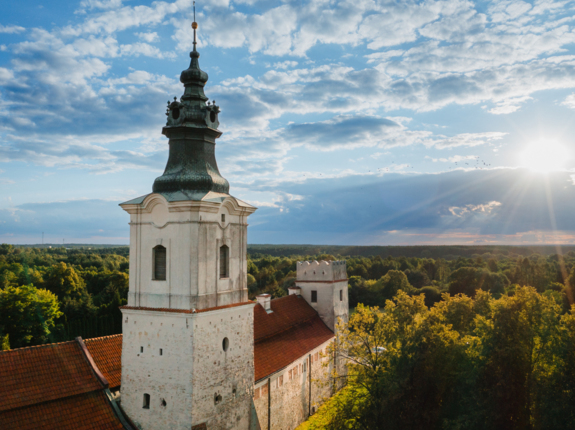
Hotel Podklasztorze is a part of a Cistercian complex, one of the best preserved Cistercian complexes in Europe, monument of unmatched value, granted historic monument status with an ordinance of the President of Poland.
Where does the name Hotel Podklasztorze come from? Sulejow is the name of the town and Podklasztorze is one of its districts.

 Order and Peace
 The legend of establishing a church and then an abbey is supported by historical facts, according to which it was the duke Kazimierz Sprawiedliwy who founded the church and the Cistercian monastery. Legend of establishing the Cistercian Abbey that is how Duke Kazimierz Sprawiedliwy was saved by lions.

The first reference to Sulejow borough comes from 1145 but the golden age of Sulejow started some 30 years later when Kazimierz II Sprawiedliwy, the youngest son of Boleslaw III Krzywousty, brought in the monks from Morimond abbey (now Champagne, France). A beautiful legend is connected with this event. Duke Kazimierz was hunting in the forest growing in the neighbourhood but he strayed away from his retinue in pursuit of a deer and got lost. Meanwhile a fierce storm broke out. The Duke sought comfort in praying and heard voice from the sky: “You build a church in this place and I will lead you back to your servants”. Kazimierz fell to the ground and swore to keep the promise. Twelve lions appeared then and escorted him to his courtiers. In order to commemorate this event twelve carved lions were placed in the church but only two of them remained to the present.


A general gathering of the kingdom was held in Sulejow in 1318 and Wladislaw Lokietek took part as well. An appeal was sent during the gathering to Pope John XXII to permit coronation for king of Wladislaw Lokietek in order to unify the Kingdom of Poland and “save the country from doom”.
Maybe owing to the visit in the Cistercian Abbey did Wladislaw Jagiello defeat the Teutonic Knights at Grunwald. Wladislaw Jagiello visited Sulejow in 1410 on the way to the battle against the Teutonic Knights. According to the legend, visible damage to one of the columns at main gate to the church in the monastery was the effect of sharpening swords by the king and his knights.
There is a market held in Sulejow on Wednesday every week. The market day was established in 1388 by king Wladislaw Jagiello.
King Jan Kazimierz stayed in the Abbey during the Swedish Deluge while escaping from the enemy advancing from every direction. In revenge the Swedes looted and damaged the monastery, while many monks and townsmen lost their lives.
The Cistercian Abbey in Sulejow was gaining and losing importance over the centuries. The times of Stanislaw August Poniatowski brought decline of the Abbey in Sulejow as well as other monasteries. Dissolution of all monasteries in Poland took place in 1819 and the abbey ceased to exist. The church was submitted to the diocese for the purpose of a parish. Fortifications and residential buildings ended up in private hands.
Both the First and the Second World Wars as well as numerous fires caused many damages of the abbey. A tourist hostel was situated in the front farm buildings in the 70’s of the 20 th century. A training and recreation centre was created there in 1981 after the buildings were renovated and partly rebuilt. The Cistercians returned to Sulejow in 1986.
Every Guest of Hotel Podklasztorze has an opportunity to take part in an exceptional time travel.
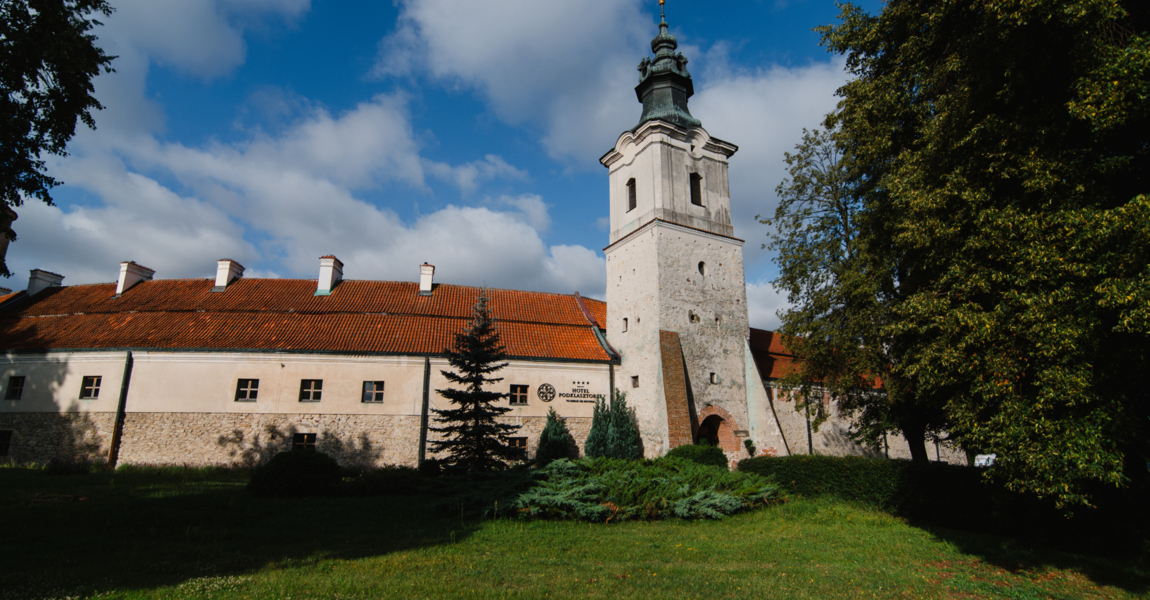
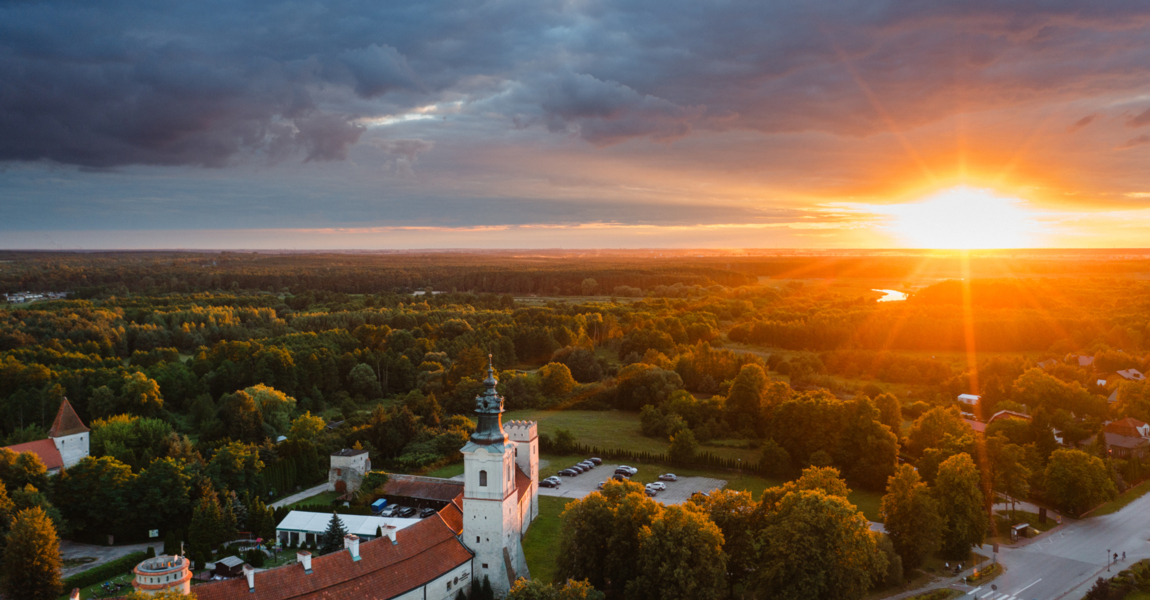
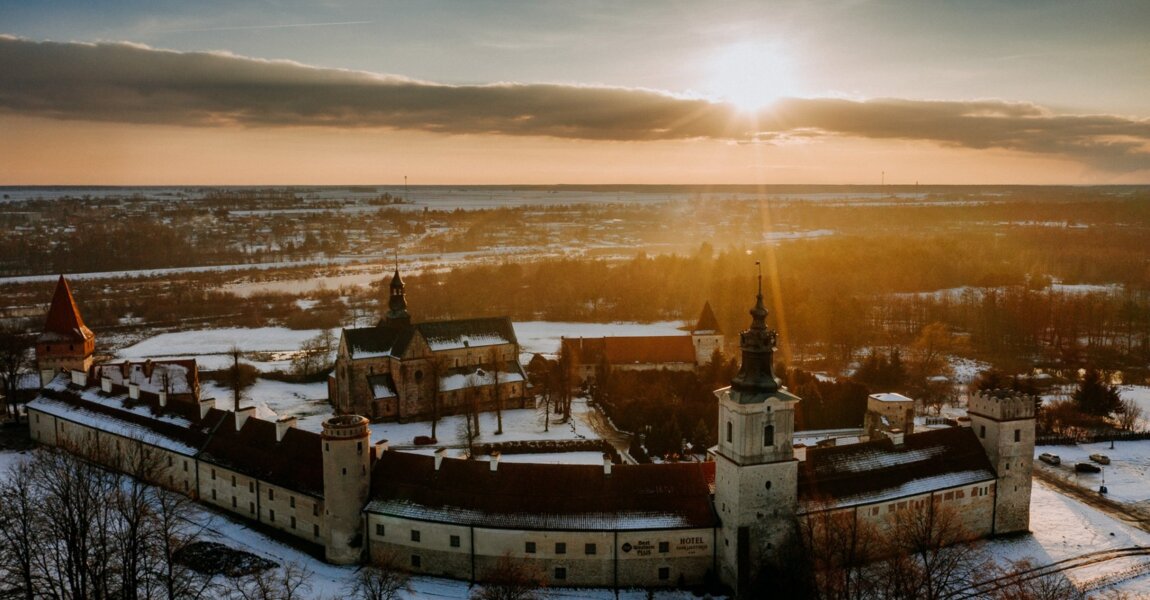
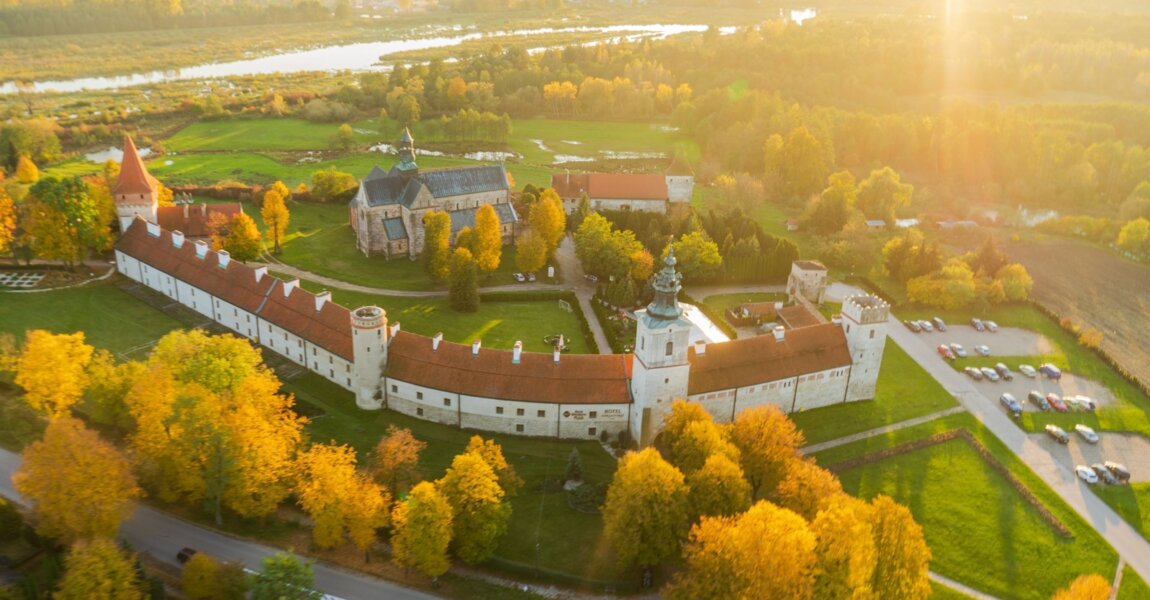
Today the buildings where Hotel Podklasztorze is situated make one of the best preserved Cistercian complexes in Europe. Moreover, carefully renovated interiors are a real treat to history lovers.
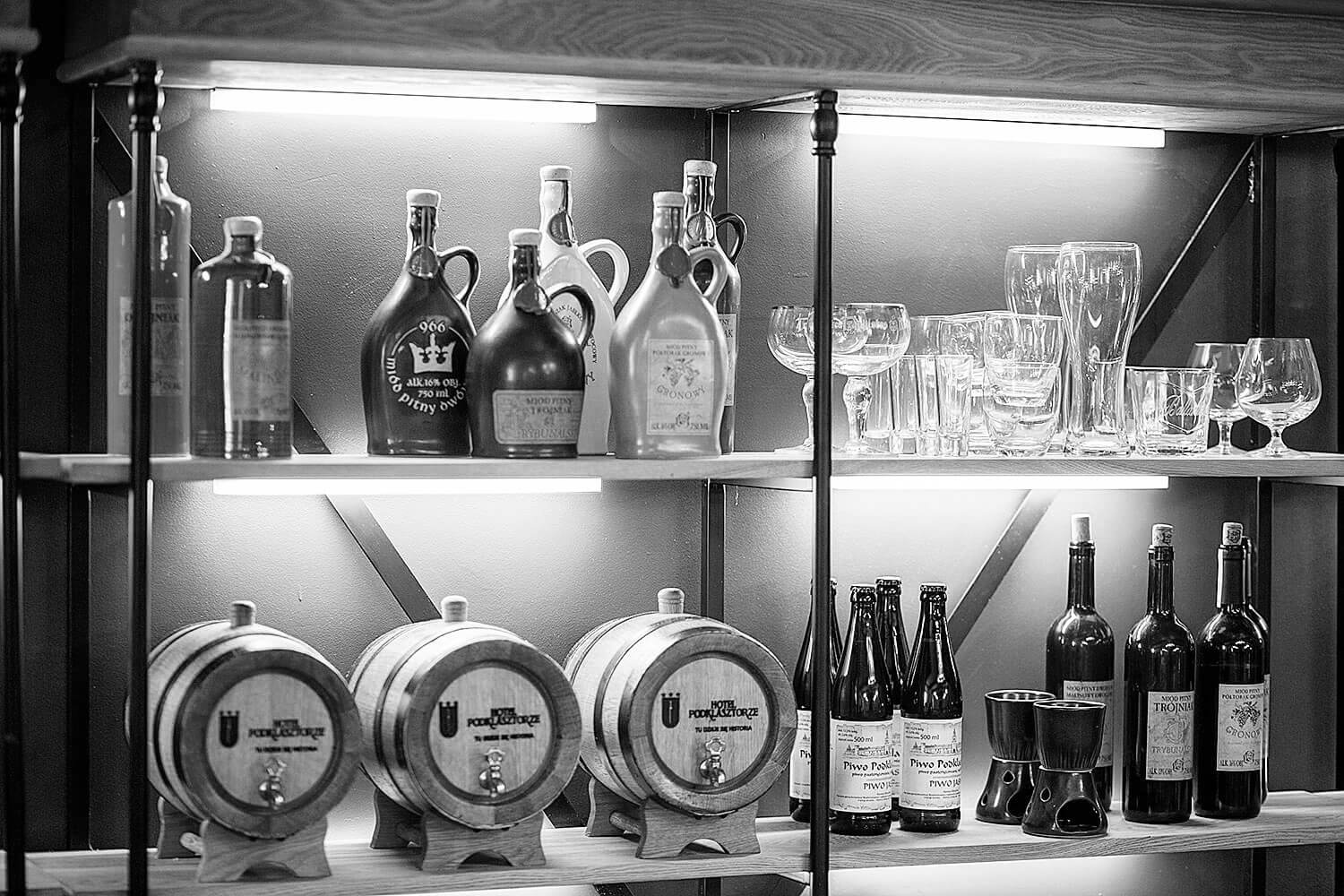
The old distillery, where monks used to produce superior liquors, is Miód i Wino Restaurant and Podklasztorze Brewery today. Hotel Guests can still admire a historical chimney of the old manufactory in the room where Chapterhouse is nowadays. Hotel reception, in turn, used to be a brewery run by brethren while the current hotel part used to play the role of granaries.
Did you know that friary was a place where monks could have a little talk? One of the conference rooms in Hotel Podklasztorze holds such a name today.

The Cistercians were gradually fencing themselves in order to create a fortified abbey. Check the most important elements of the complex.
St. Thomas of Canterbury’s church (1)
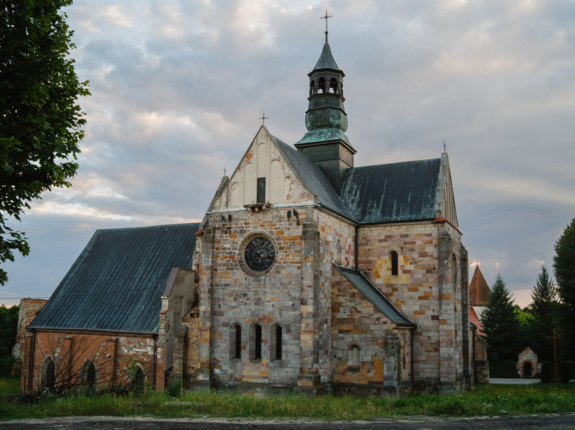
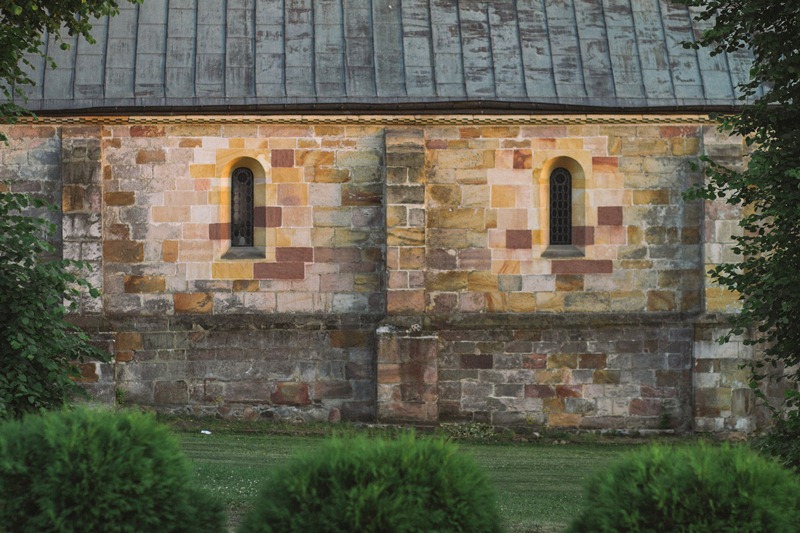
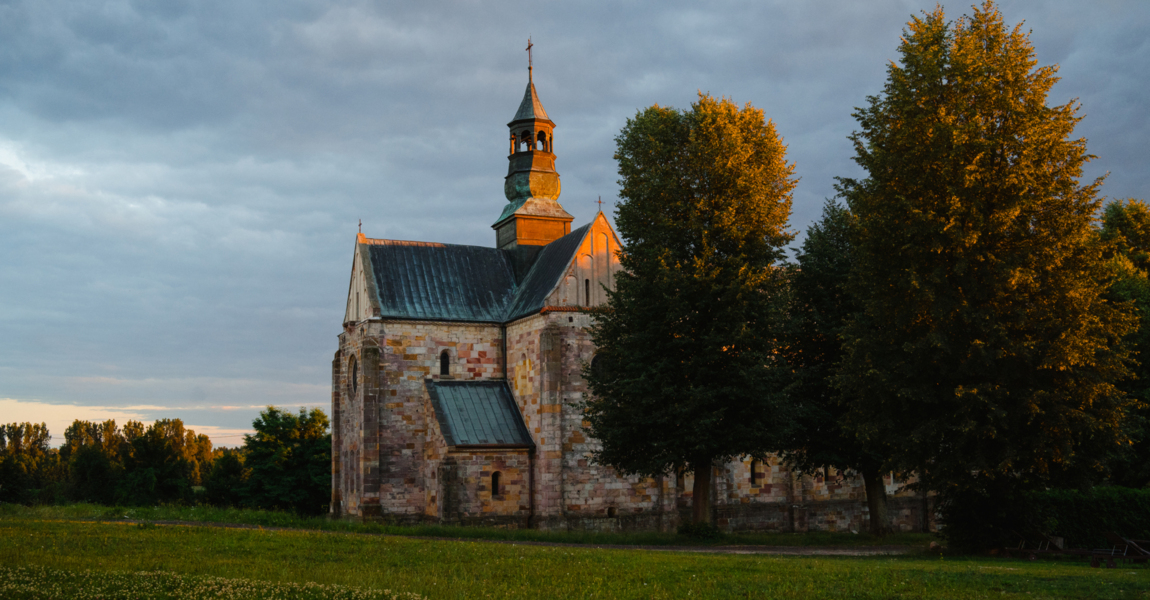
The most precious relic is the church of St. Thomas of Canterbury, also known as Thomas Becket, the archbishop of Canterbury – three-nave basilica with a transept (transverse nave) preserved in pristine condition, with beautiful Romanesque portal and rosette as well as baroque and rococo furnishing. One can also admire the eastern wing of the monastery, the only one that remained out of three. There is a museum now, in the preserved chapterhouse, which was used by the monks as a room for meetings. Gothic cloisters also remained.
Presbytery (15)
Today’s presbytery of the Cistercian Abbey used to be one of the monastery buildings erected in the 15 th century. A fulling mill was situated there at first but it was turned into a sheepcote. It has played residential function since the 18 th century. Curiosity: there in an entrance in the presbytery that leads to partly collapsed cellar of about 200 m2 where, as the legend says, a bricked up cooper guards monastery treasures.
Mauritanian Tower (12)
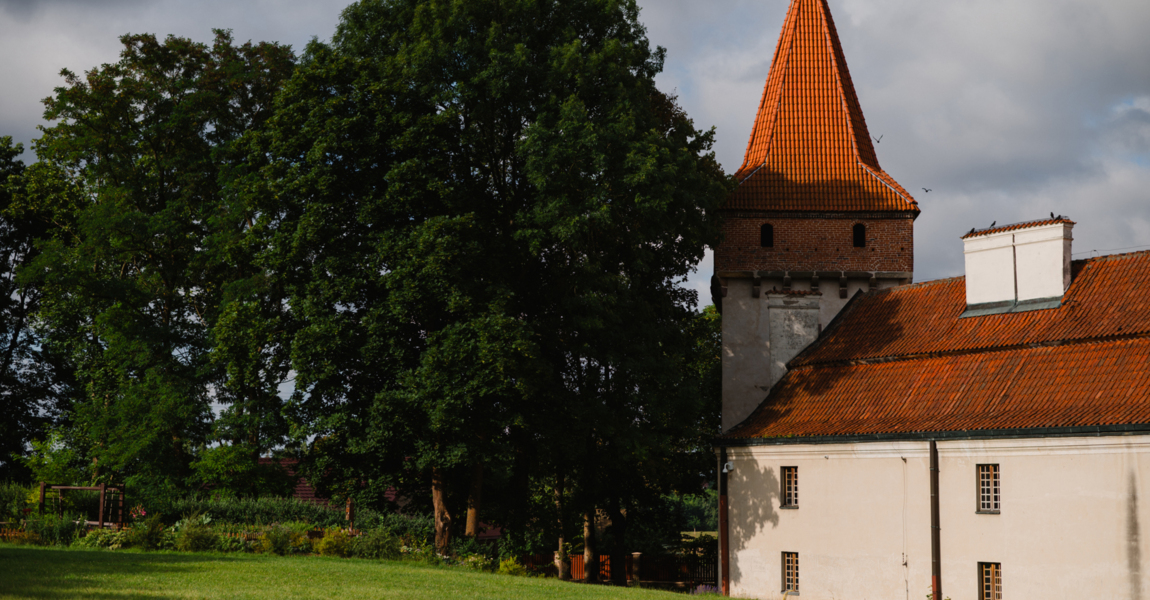
Mauritanian Tower, horseshoe shaped, best visible from the side of Pilica River, is the oldest tower erected by the Cistercians, even in 1370. Did you know that a refectory in monastery is another name of a dining room? One of the refectory’s walls remained opposite to the church. (3)
Abbatial Tower (9)
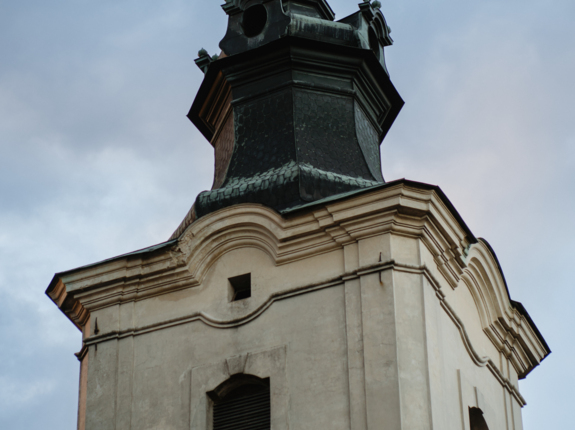
Abbatial Tower was built in the 2nd half of the 14th century.
The building of Armoury (10)
Armoury was built in the early 16 th century, at first as a watchtower for the crew guarding the abbey and then as a room for servants and guests of an abbot. There was Podklasztorze primary school here between 1940 and 1993.
Music Tower (8)
It was built about 1515 on a circular plan of 6 m diameter. Rooms adjacent to the Music Tower in late 19 th century included a granary and a brewery repository. A drying room was built from the north but it did not remain to our times.
Attic Tower (6)
Attic Tower was built about 1540 on a plan of irregular rectangle. At first is had two floors and a 3 m wide gate in the basement. The gate was bricked up after 1580 and the entire tower was thoroughly remodelled in the early 17 th century. Romantic name of the tower, as well as other towers of the abbey in Sulejow, comes from the early 19 th century.
Knight’s Tower (5)
Rectangular Knight’s Tower was erected in 1560. The builders intended it to play the role of an entrance to the abbey. An 18 th century horse mill adjoined the tower from the side of the abbey. Remnants of the mill walls are still visible.
Entrance to the Cistercian Abbey in Sulejow: Cracow Gate (1)
The original entrance to the monastery was located in a special building next to Mauritanian Tower.
All gates and wickets leading to the abbey were bricked up in the 16th century except for the gate under Cracow Tower. In those times apart from a forged wooden grating there was also a drawbridge over a dry ditch surrounding the abbey from the north.
 Secrets of the abbey
 The 16th century Music Tower is also a very charming place, shrouded in the aura of mystery. It is here, in this part of Hotel Podklasztorze where a mysterious person called White Lady has been seen. Many Guests claim to meet her walking down a hotel corridor…
There is one more story connected with the Cistercian Abbey that arouses quite an excitement among treasure hunters.
This site became an inspiration to directors of such movies as “Janka”, “Pan Wołodyjowski”, „Prywatne Śledztwo” or „Naznaczony”. Scenes of many famous productions were shot there.